
Wall insulation in Midland TX - full walls that stop drafts and stay put
Rooms that feel drafty or never get comfortable along the outside walls? We fill the empty spaces inside them and patch the holes.
- Licensed and fully insured.
- Free in-person estimates.
- We reply within 1 business day.
Can you insulate walls without tearing them open?
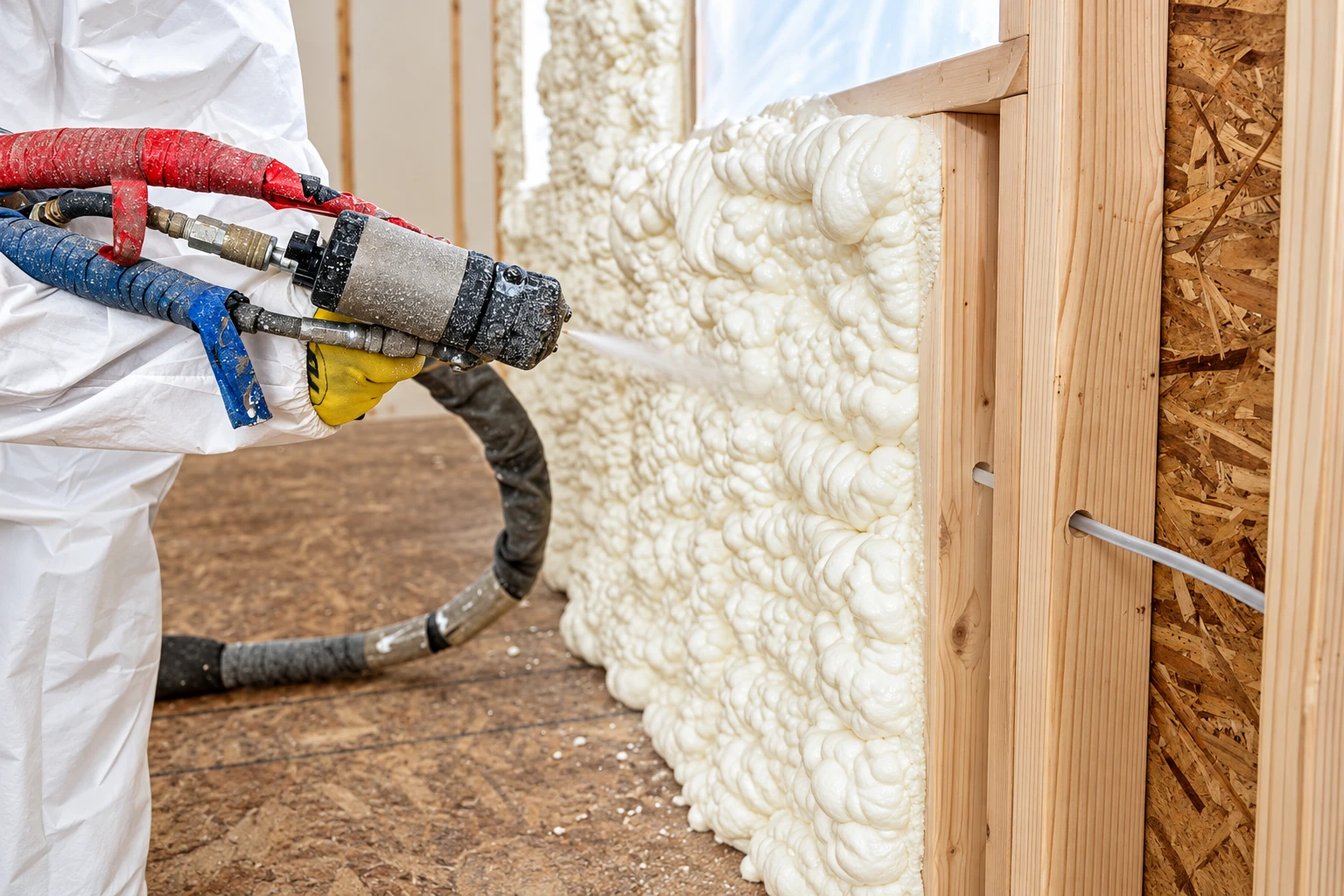
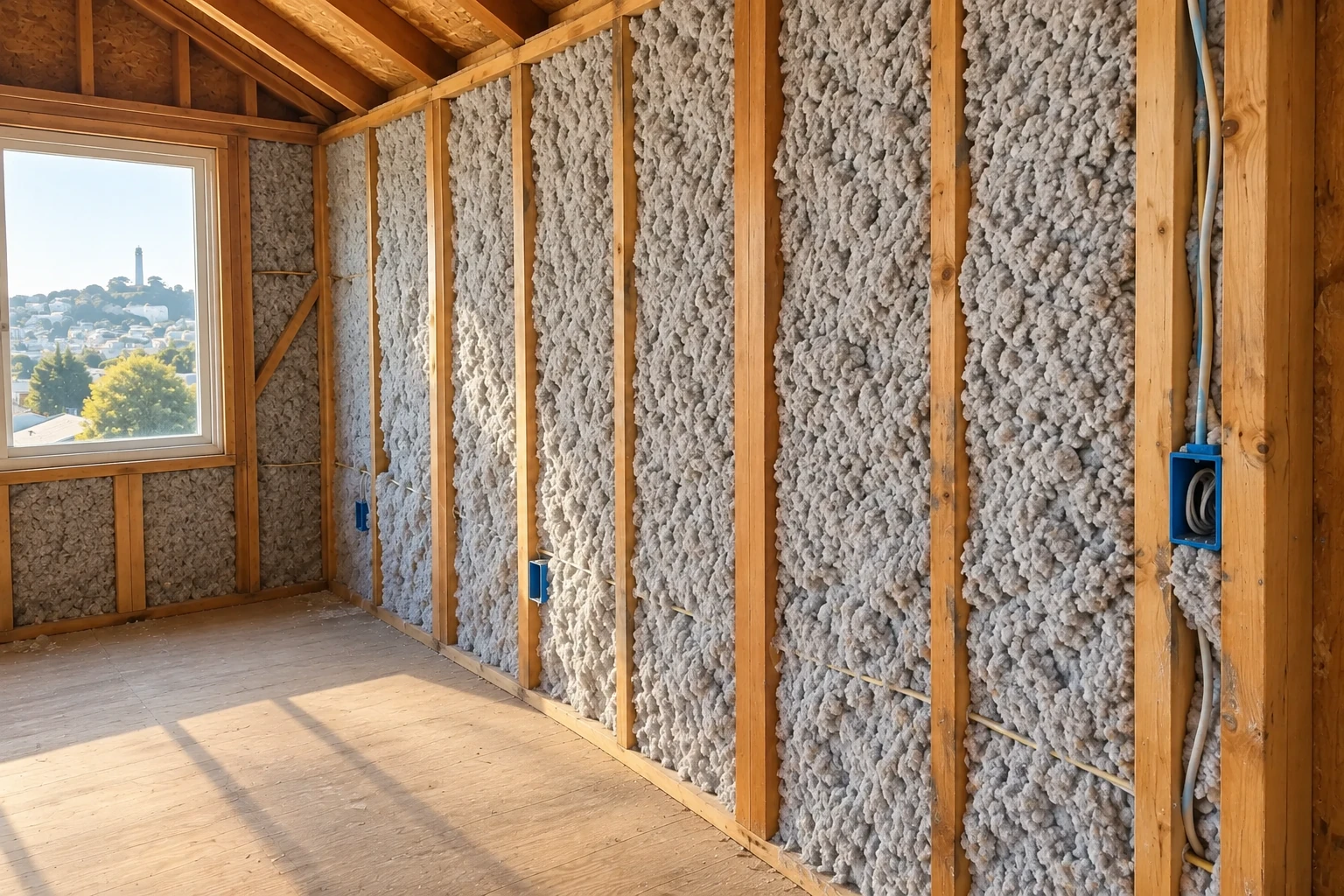
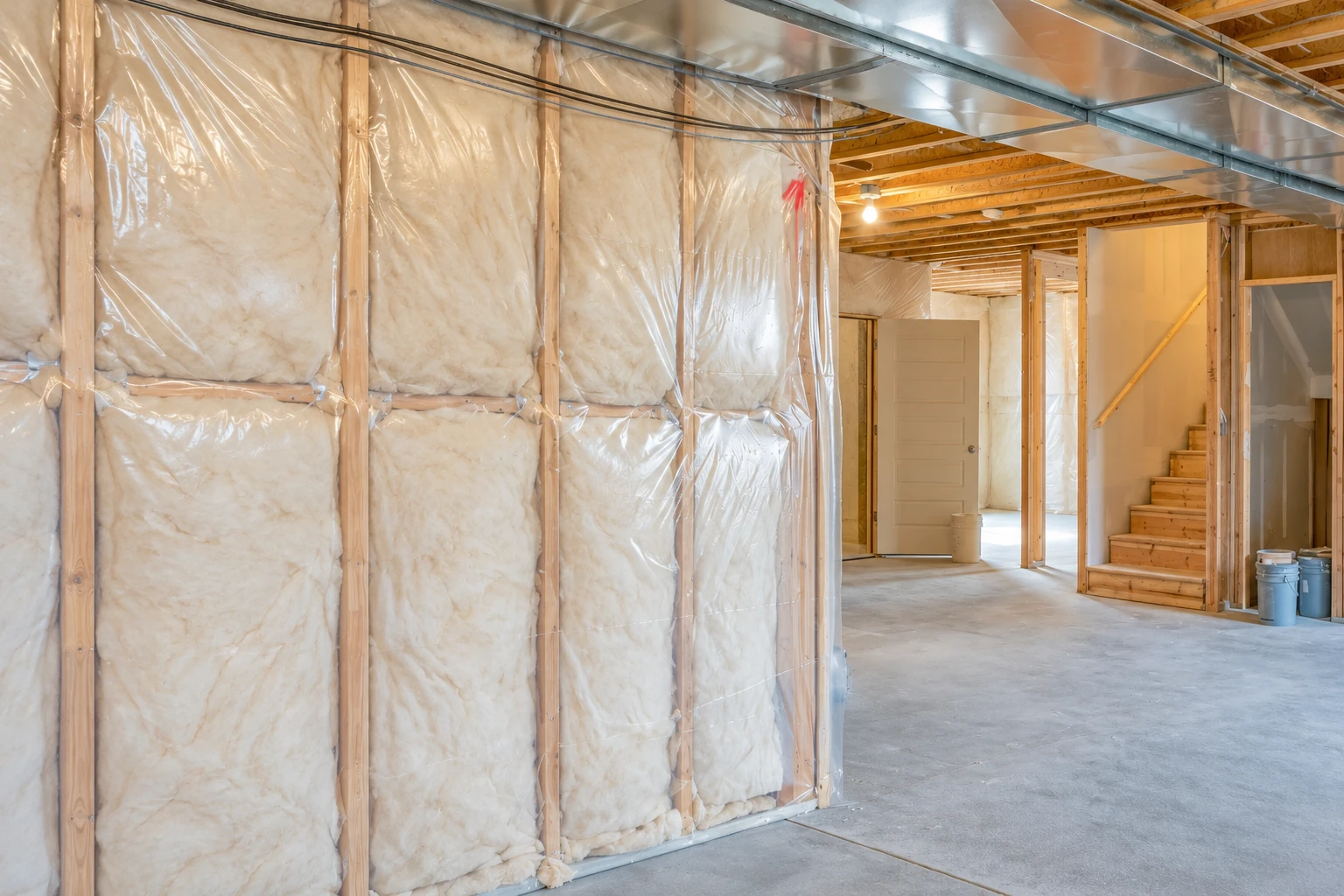
Yes. Wall insulation for an existing Midland home fills the closed spaces inside your finished walls, most often with cellulose or fiberglass packed in tight through small holes, so each space fills completely, stays put and slows the air moving through the wall.
Most calls start with a drafty room or an outside wall that never feels right, usually in an older house where nobody put anything in the walls. Not every wall needs filling, and if the real trouble is overhead I'll say so and point you to attic insulation instead. The price moves with how many square feet of wall we fill, the material you pick, whether we drill from inside or outside and how much patching each room takes. The schedule turns on whether an electrician needs to look at the wiring first and whether the job needs a permit, and the written estimate puts your own number on paper.
How can you tell your walls are empty?
Drafts at the outlets
You feel air moving around the outlet covers and switch plates on an outside wall. That usually means the wall space behind them is open and air runs straight through it, and every month it stays that way you're paying to cool and heat air that leaks out.
One room never keeps up
A bedroom stays hotter or colder than the rest of the house no matter where the thermostat sits, and it's usually the room with the most outside wall. Left alone, the system just runs longer chasing that room, and the power bill shows it.
Outside walls feel different
Lay your hand flat on an outside wall, then on an inside one. If the outside wall feels noticeably warmer or cooler, there's likely little or nothing in it, and that room stays uncomfortable for as long as the wall stays empty.
Work that often goes with walls
Air sealing services
Closing the gaps at trim, windows and the top of the wall keeps air from sneaking around the insulation we pack in.
Basement insulation
If cold floors are the complaint and your house sits over a basement, that's where the fix usually lives, not in the walls.
How we handle wall insulation
Your walls don't have to come down for this, and they don't need foam just because foam sounds better. Before anybody drills, I look at the wiring, and if it's old or nobody knows what's in there, you get an electrician in before us, because I won't pack insulation around wiring nobody can vouch for. If a wall has had a leak, the usual advice is to fix it and let the wall dry before it's filled, and I'll point that out if I see it. Then I tell you up front where the holes go in each room and how we'll patch them. Our crew drills those holes, packs each wall space tight, patches it the way we agreed and cleans up.
Packed walls slow air, but the leaks around windows, trim and the top plate still need air sealing, and sealing is the part I care about most on any house. If your floors are what bother you and there's a basement below, basement insulation will usually do more for you than the walls will.
Just the problem rooms
Good for a house where one or two rooms run hot or drafty and the rest is fine. You spend money where you feel the problem and nowhere else.
Every outside wall
Makes sense in an older house where none of the walls have anything in them. Doing it all at once means one round of drilling and patching instead of several.
Foamed-in-place walls
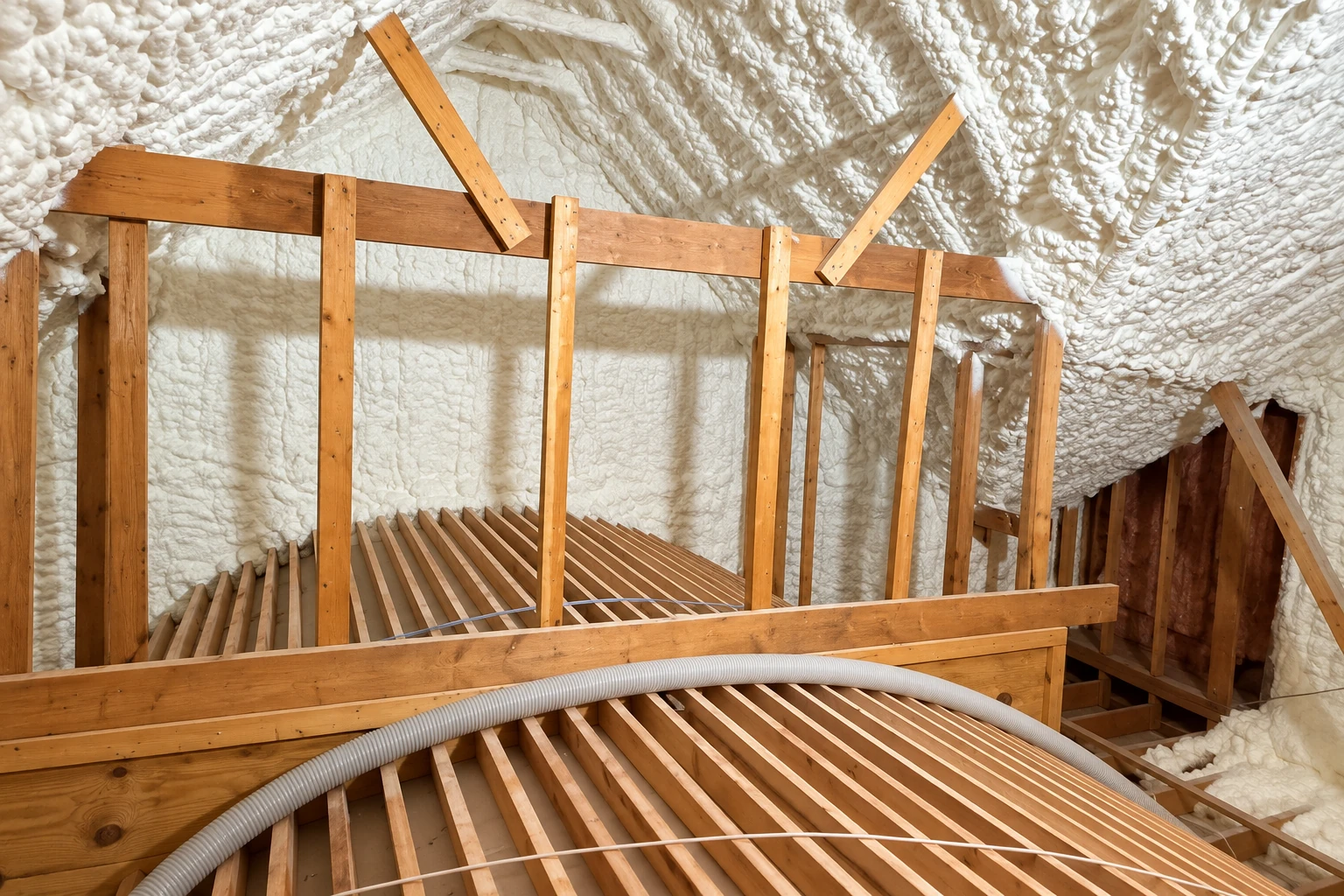
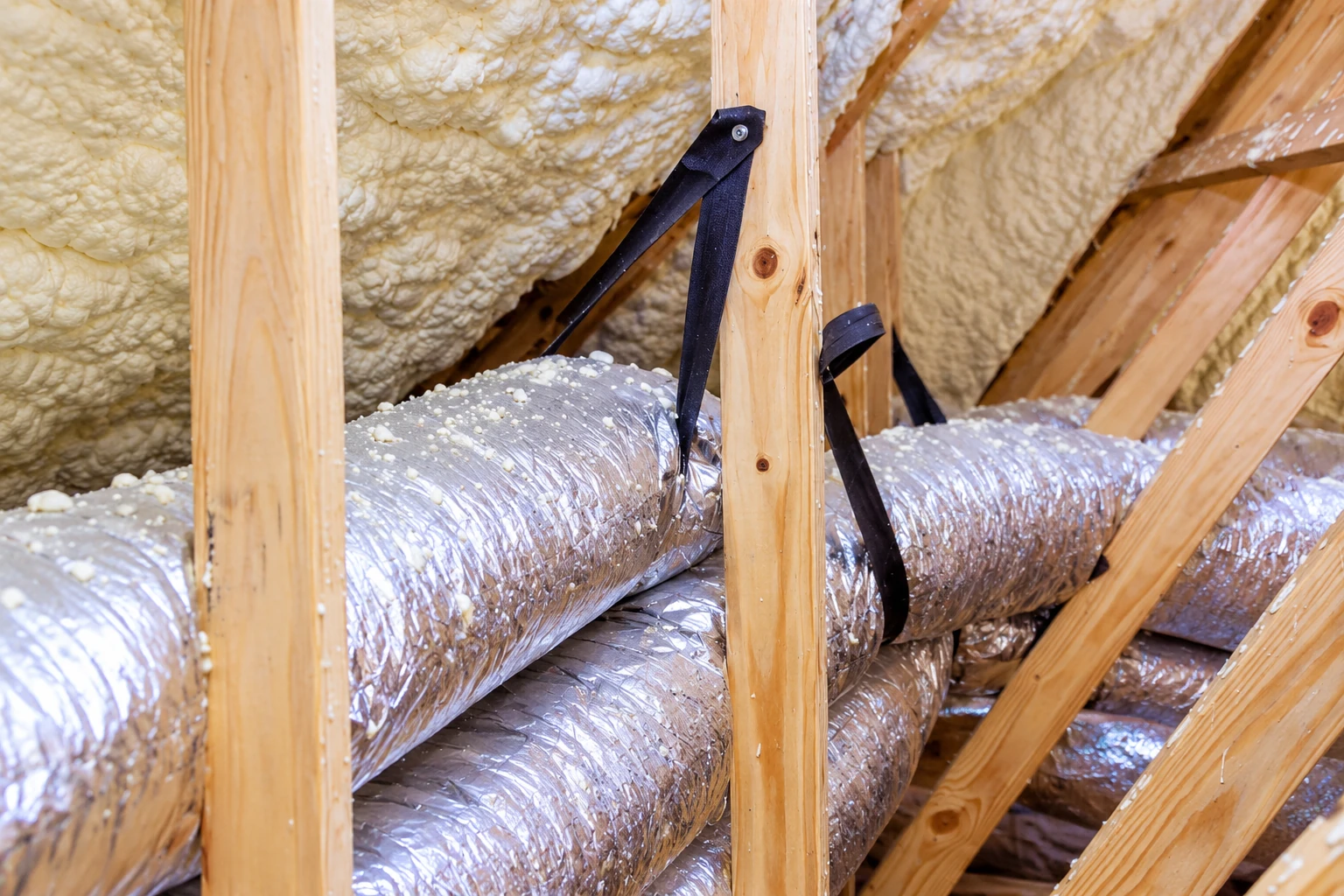
ENERGY STAR lists foam as well suited to enclosed walls and rates it as advanced work that needs a certified installer, so ask to see that certification from whoever does it. It costs more and seals air as it goes, but for most walls I'd still pick dense-pack and sealed gaps, because it covers what the wall needs for less money.
Get a written estimate for your walls
Send the form and we reply within 1 business day to set up a free estimate at your home, with no pressure to book. Calling (432) 218-4671 works too.
Call (432) 218-4671Service areas
Why Midland homeowners call DraftWise for wall insulation
The owner writes every estimate
I'm the one who comes out, looks at your walls and writes up the job. I used to sell insulation for another company, so I know where the upsell hides, and I leave it off your estimate.
Doing this work since 2013
We've been in business since 2013, and before that I worked on an install crew until I could do the job right myself. The person reading your walls has drilled and packed them, not just sold them.
Licensed and fully insured
We're licensed and fully insured. Ask about it when I come out, because you should know that about anyone drilling into your house.
Permits pulled before we start
If your job calls for a permit, we pull it as your contractor and handle the paperwork with the city or county office. We wait until it's issued before our crew shows up, so the job doesn't stall halfway through.
On a wall job, what matters most is knowing what's inside before anyone drills, so set up a visit and I'll start there. The work is backed by our satisfaction guarantee.
What happens after you call about your walls?
Call or send the form
You call (432) 218-4671 or send the form, and we get back to you to set a time. Tell us which rooms bother you most so I know where to look first.
I look the house over
I come out myself, check the wiring, the walls and the attic, and look for anything that needs fixing first. You get a written estimate that shows which walls we'd fill, where the holes go and how each room gets patched, so you know the cost before you decide.
Permit, then the install
If your job needs a permit, a Midland plan reviewer usually takes about 5 to 7 business days to look over the plans, and we start once it's issued. Our installers then drill, pack each wall and patch the holes the way we agreed.
I check it before we finish
When the walls are filled, I check the work myself before we call it done. Then we clean up and show you what was filled.
Common questions
Is cellulose or fiberglass better for my walls?
Fiberglass is the safer pick for a wall that might take on water, and cellulose works fine in a dry one. Cellulose breaks down if it gets soaked, while fiberglass is lighter and isn't ruined by getting wet. I'll tell you which one fits your house when I see it.
How much does wall insulation cost per square foot in Midland?
Installing blown-in wall insulation usually costs about $4 to $4.50 per square foot across the US, and that's the national going rate, not our price. Your number moves with the things covered above, mainly how much wall we fill and how much patching it takes. The written estimate gives you the figure for your house.
What happens to the holes you drill in my walls?
They get patched, or covered with chair rail molding where that suits the room better. A Utah weatherization field guide says one hole may be enough to fill a whole wall space when there's no fire blocking or other obstruction in it, so it's fair to ask how many holes each wall needs. Your estimate shows the plan room by room.
Does Midland require a permit for wall insulation?
The city's permit list doesn't name wall insulation, so ask the City of Midland building permits office whether your job needs one. Midland requires a residential building permit for new construction, additions, remodeling, repairs and detached buildings, and most construction projects there also need a licensed and bonded contractor registered with the city. If yours needs a permit, we pull it, as noted above.
How do I tell if my walls already have insulation?
Shut off the breaker, take the cover off an outlet on an outside wall and shine a flashlight into the gap beside the box. If you see batts or old fill, tell me, because one insulation guide rates walls that already hold some as a weak candidate for this work. I'd rather tell you that than sell you a job your walls don't need.
Should I insulate my walls before or after new siding?
Before the new siding goes on. National energy guidance says that whenever siding comes off an uninsulated wood-frame wall, holes go into the sheathing and insulation gets blown in before the new siding covers it. If siding is on your list, call us early so the two jobs line up.
Find out what your walls actually need
Call (432) 218-4671 or send the form with your address, the walls you want filled, the wiring's age if you know it and any siding plans, so I show up ready.