
Home insulation in Midland TX - a house that stays comfortable in July and January
Hot rooms upstairs, drafts and a climbing power bill usually start in the attic. We seal the leaks first, then insulate it right.
- Licensed and fully insured.
- Free in-person estimates.
- We reply within 1 business day.
What does insulating a whole house in Midland involve?
Home insulation in Midland means sealing the air leaks between your attic and the rooms below, then adding insulation so your house keeps its cool in summer and its heat in winter. Done right, it cuts drafts, can bring the power bill down and helps keep dust, moisture and pests out.
Midland is hard on a house in both directions, with 115 afternoons a year over 90°F and 58 mornings at freezing or below, so insulation that slows heat pays off in July and again in January. The price mostly comes down to how many inches are already up there and what shape they're in, whether any of it has to come out, how many gaps need sealing, how old the house is and how easy the attic is to move around in. The schedule turns on what I find first, because a roof leak or bad wiring gets fixed before we add anything, and you'll get your own figure in writing once I've been up there.
How can you tell your house needs more insulation?
Upstairs stays hot
If the bedrooms upstairs or the room over the garage are still hot after the AC has run all afternoon, the attic above them is usually thin, or hot air is leaking down through gaps. Every summer you wait, the AC works harder and you pay for it on the power bill.
Drafts around the house
Cold air coming in around outlets, light fixtures, the attic hatch or the baseboards on a winter morning means the house is leaking air. Until those gaps get closed, the heater just keeps chasing the cold.
Old insulation looks flat
If you can see the tops of the ceiling joists, or the insulation up there is matted, stained or full of droppings, it isn't doing much for you. A stain can also mean a roof leak, and that's worth finding before it reaches your ceiling.
Work that often goes with it
Insulation removal
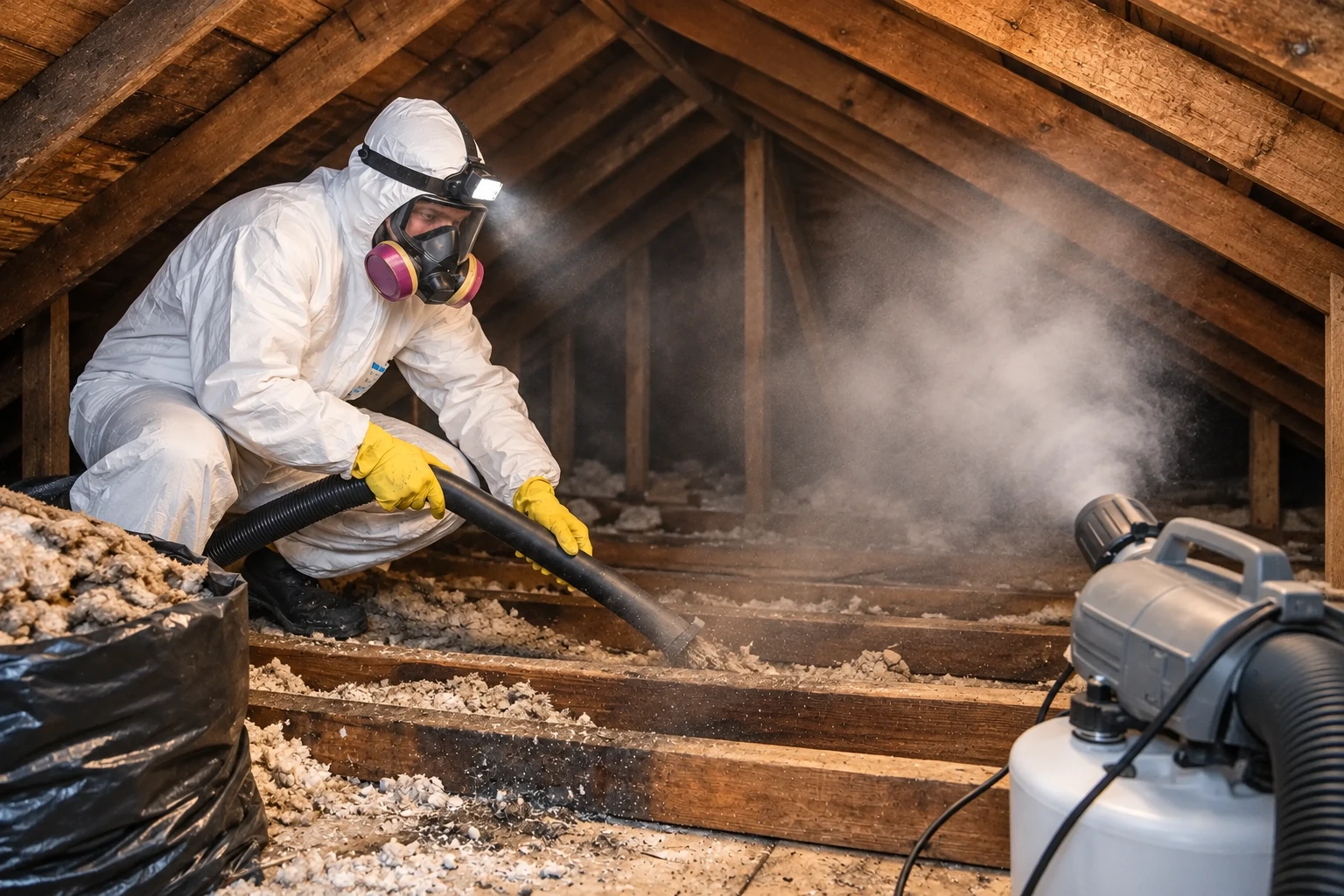
Clearing out matted, stained or pest-ruined insulation gives the attic a clean start and lets us see the ceiling and framing underneath.
Crawl space insulation
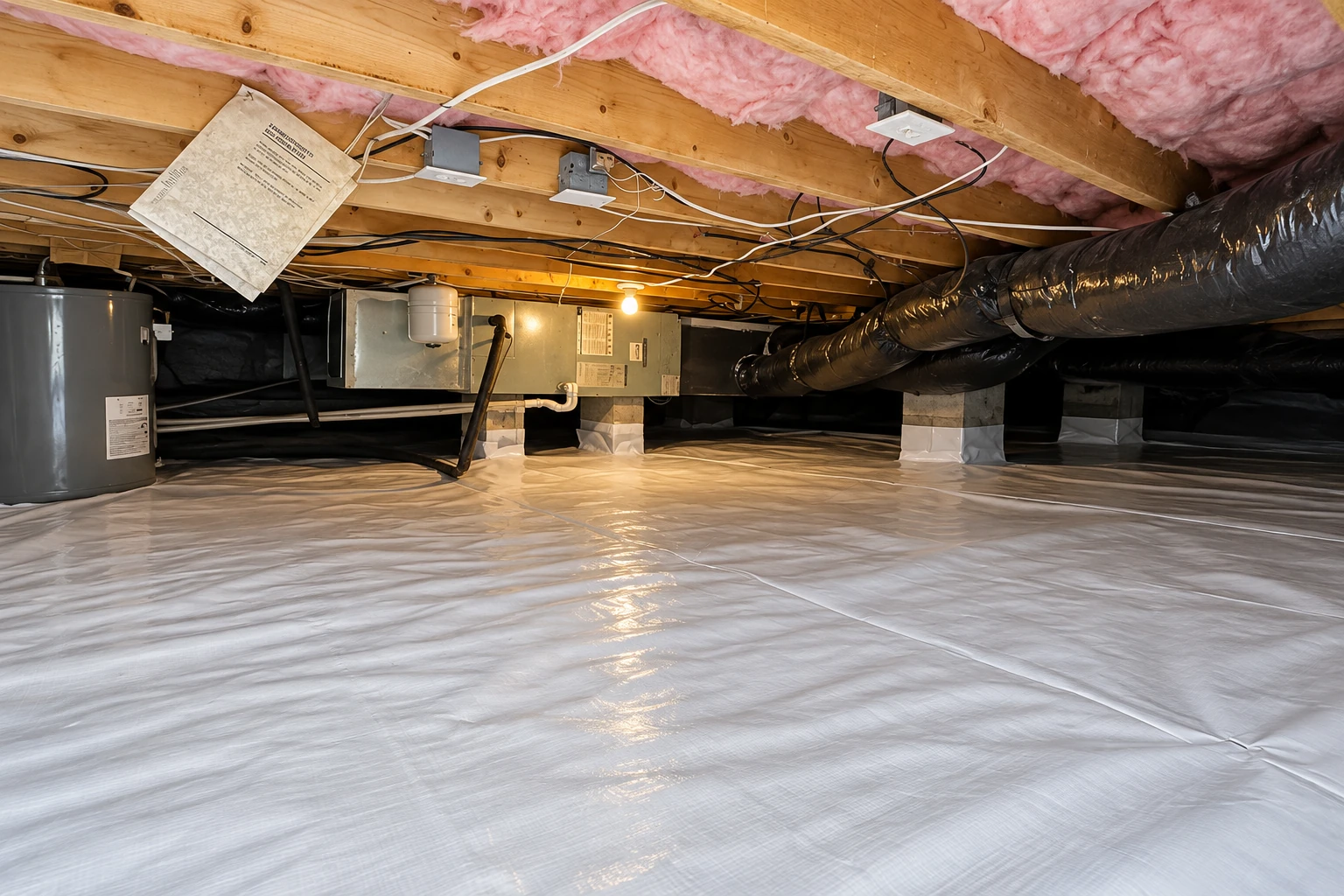
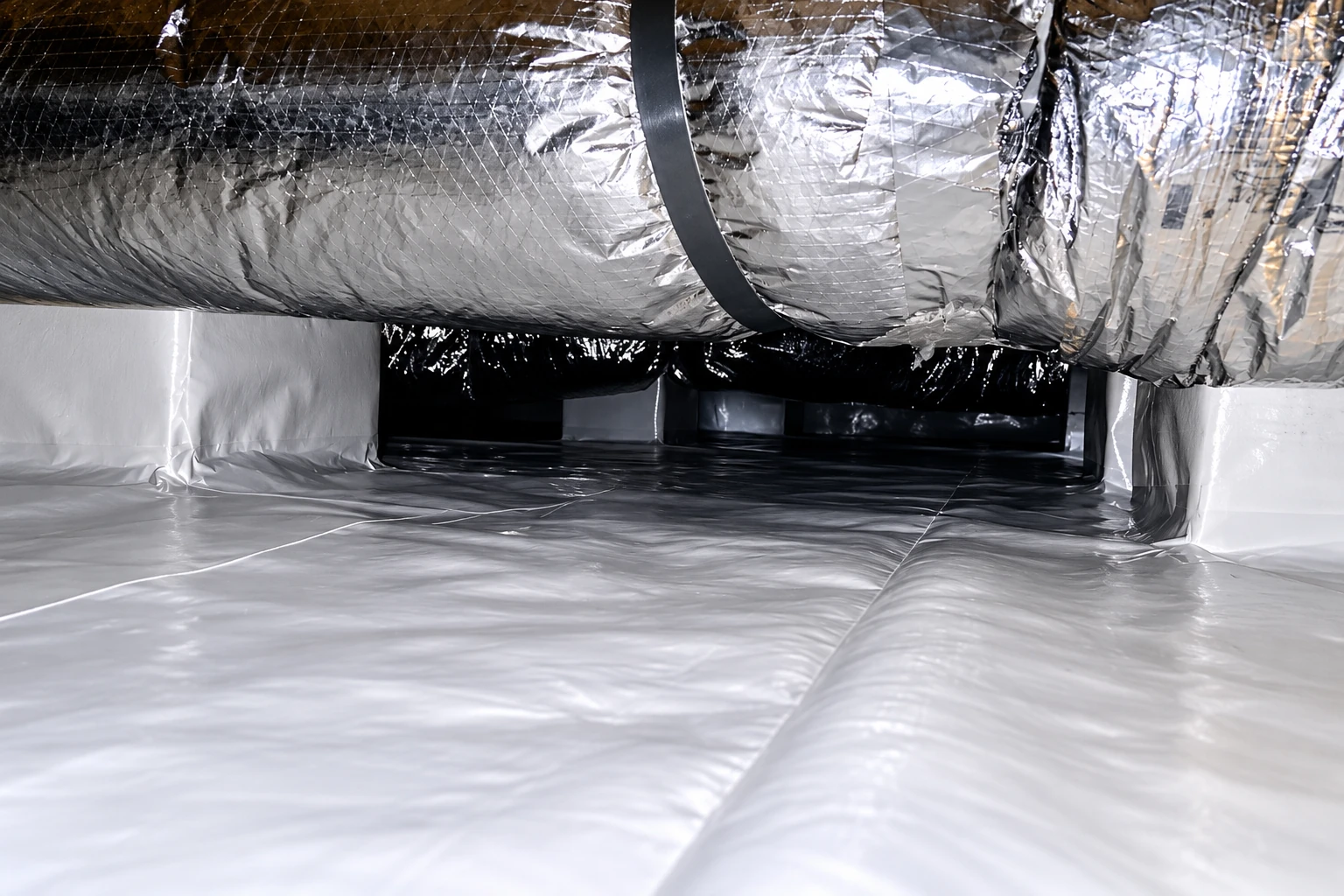
If your floors stay cold on winter mornings, the crawl space under the house is usually where that cold is getting in.
How we handle home insulation, starting in the attic
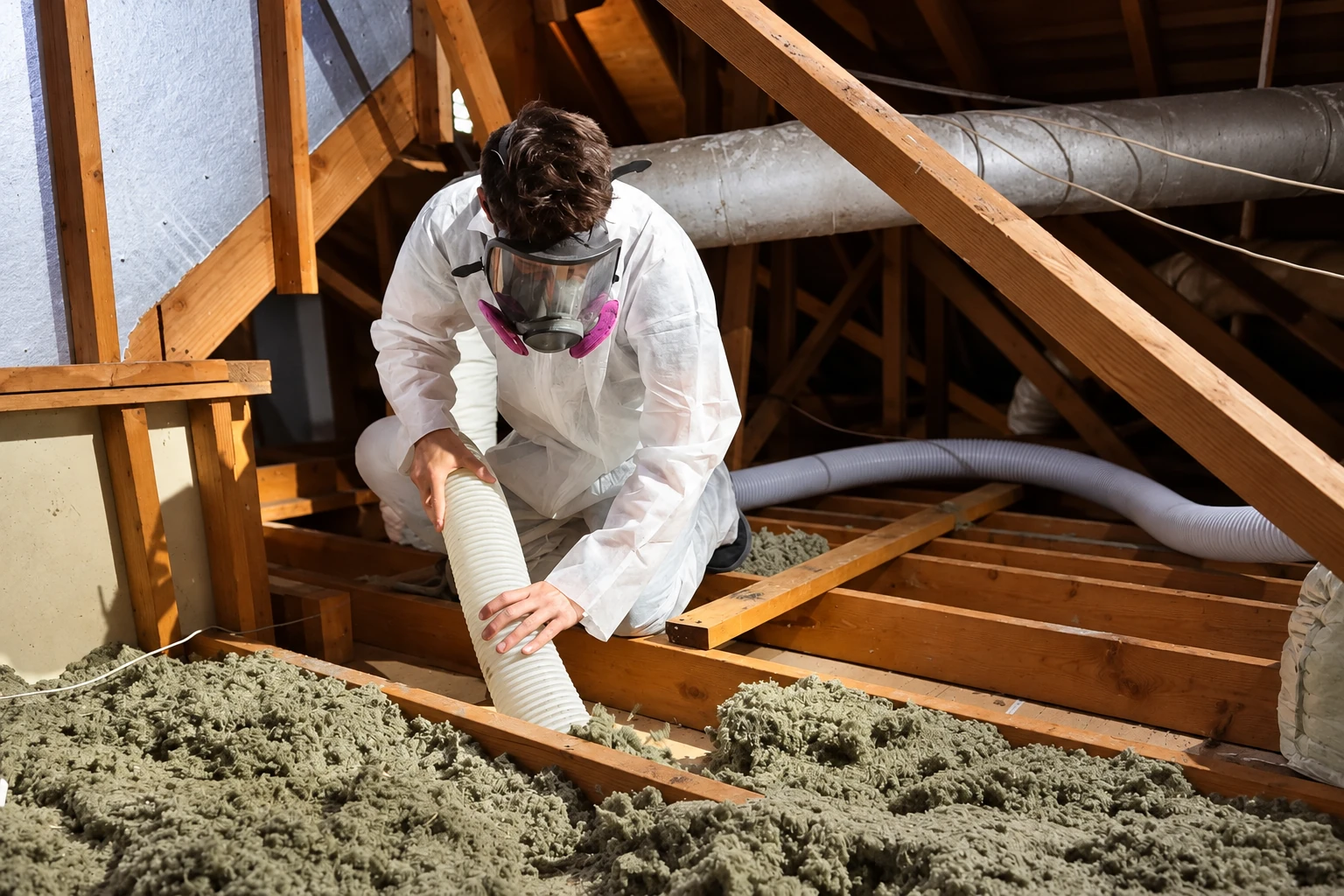
When you want the whole house done, I start in the attic and work out from there, since that's usually where your money does the most good. I go up first and look for anything that has to be fixed before we add a thing, and you get a plain list of those repairs, then a plan for the rest. Most attics don't need the old insulation torn out. They need the leaks closed. So our crew does the air sealing first, closing the gaps around light fixtures, pipes, wires and the hatch, then puts in blown-in insulation, loose fill sent through a hose, keeping the eave vents clear so the attic can still breathe and building the edges up as deep as the middle.
If the old insulation is soaked or full of droppings, new material on top only buries the problem, so we pull it out first with insulation removal. Once the attic is right, the next place we look is under the house, because crawl space insulation is what fixes cold floors over an open crawl space.
Seal and top up
This suits most houses where what's up there now is dry and clean, just thin or settled. We seal the gaps, leave the good insulation in place and blow new fill over it, so you don't pay to tear out what still works.
Clear out and start fresh
This is for attics where the old insulation is wet, dirty or full of droppings, or where a past leak left a mess behind. It costs more because of the cleanout, but it's the only way the new insulation isn't sitting on the old problem.
Get a written plan for insulating your whole house
Send the form and we'll get back to you within one business day to set up a free visit at your house, with no pressure to book. Calling (432) 218-4671 works too.
Call (432) 218-4671Service areas
Why Midland homeowners call DraftWise for home insulation
The owner writes your estimate
I sold insulation jobs for another company before I started this one, and I got tired of watching attics get oversold and left full of leaks. So I come out myself, and I'll tell you what your house doesn't need before I tell you what it does.
In business since 2013
We've been insulating houses since 2013, and what we're known for is sealing the leaks in an attic before we add anything on top. That's the step that gets skipped most often, and it's the one that lets new insulation do its job.
Licensed and fully insured, every job
We're licensed and fully insured, which matters when someone is working across your ceiling joists. The City of Midland also requires contractors who build or renovate there to be registered with the city, and it requires a $10,000 bond before it issues any permits, so it's fair to ask anyone you're comparing whether they're registered and bonded.
On this job, the sealing underneath matters more than the inches on top. Tell us about your house or call (432) 218-4671, and I'll come take a look.
What happens after you call us about insulating your house?
Call or send the form
Call (432) 218-4671 or fill out the form with your address and a little about the house. We'll set a time for me to come out.
I inspect and write it up
I get up in the attic or down in the crawl space and look for anything that needs fixing before insulation goes in. Your written estimate keeps the repairs separate from the insulation, so you can see what your house needs and what it doesn't before you spend anything.
We do the work, I check it
Once you say go and any repairs on the list are handled, our installers seal the gaps and put the insulation in. I go up and check it over myself before we call it done.
Common questions
What is the best attic insulation for a Midland home, cellulose or fiberglass?
Cellulose is the better pick for slowing drafts, and fiberglass is the better pick where moisture or weight is a worry, since it's lighter and isn't ruined by a soaking. Fiberglass costs more, but cellulose breaks down when it's saturated and settles more, losing 10 to 20 percent of its height over the years against 2 to 4 percent for fiberglass. Cellulose is also too heavy to be recommended for mobile home ceilings or floors, so fiberglass is the one to use there.
What happens before new insulation goes into my attic?
The attic gets checked for water leaks, moisture, and structural or pest damage, and you get a list of repairs to handle before any insulation goes in. A federal attic checklist calls for that same inspection, and it says active knob and tube wiring, the old cloth-wrapped wires run on porcelain knobs, gets replaced or boxed in first, and that vermiculite, a pebbly fill that may contain asbestos, stops the job until it's dealt with. I also look hard at any gas appliances before anybody seals anything, because closing up an attic changes how air moves around them.
How much does home insulation cost in Midland, TX?
Insulation work of any kind in Midland usually costs about $1,300 to $4,500 per job. A seal-and-top-up job usually sits lower than one that starts with a cleanout or repairs. I'll put your own number in writing after I've been up there.
Who gets the permit for insulation work in Midland, and when can work start?
Where a City of Midland permit applies, the property owner or a licensed and bonded contractor representing the owner gets it, and work can begin only after it's issued. The city's residential permit list names new construction, additions, remodeling, repairs and detached accessory buildings, not insulation, so check with the city's permit office about your job. If yours calls for one, we pull it as your contractor, handle the paperwork and wait for it to be issued before we start.
How do I get my house ready for an insulation estimate?
Clear a path to the attic hatch or pull-down stairs, and to the crawl space door if you have one, so I can get up there without moving your things. Have your address handy, know what kind of house it is, and note any recessed lights in ceilings under the attic, since the cellulose makers' trade group says only fixtures rated for insulation contact, called IC-rated, may be covered.
Should I add wall insulation when I replace the siding on my house?
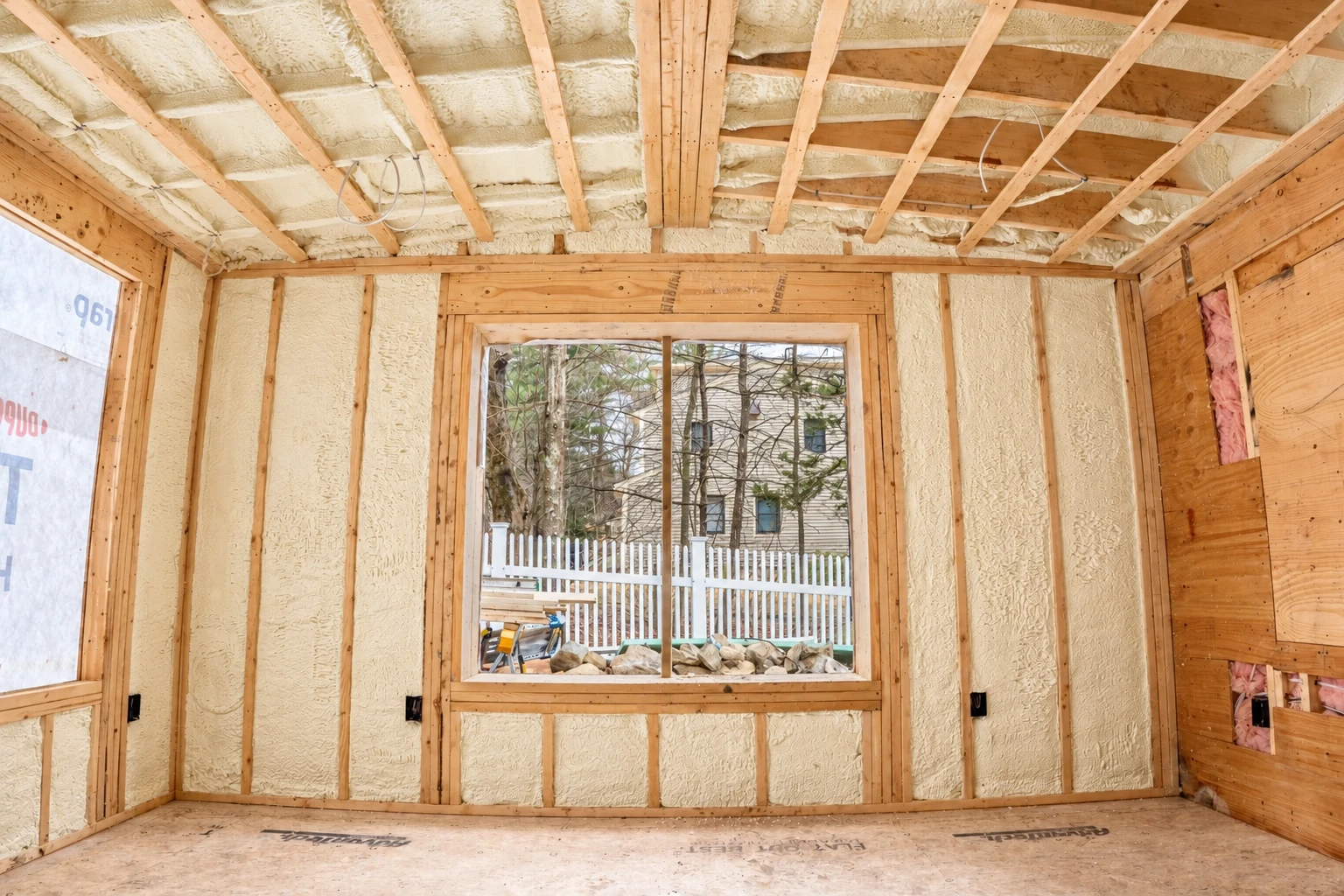
If the walls are uninsulated wood frame, ENERGY STAR advises blowing insulation into the empty wall cavities before the new siding goes on. The installer reaches each cavity by drilling holes in the sheathing, the layer of boards behind the siding, which is a lot simpler while the old siding is off.
Have the attic checked before you insulate
Call (432) 218-4671 or send the form, because one look up there tells you whether you need a top-up, a cleanout or just the gaps sealed before anybody quotes you a full job.