
Basement insulation in Midland TX - a dry wall first, then insulation that holds up
Musty smell, damp walls or a basement that never feels right? We fix the water first, then insulate with foam that won't soak it up.
- Licensed and fully insured.
- Free in-person estimates.
- We reply within 1 business day.
What's the right way to insulate a basement in Midland?
Basement insulation in Midland adds a layer of insulation to your below-grade walls, usually full height on the inside, so the basement holds steadier and stops losing so much through the concrete, all without digging around the outside of the house.
Your basement probably doesn't need a dig around the foundation or a wall of fiberglass and plastic, but it does need an honest look for water before anything goes on the wall. The price mostly moves with how much wall you have, which foam it takes and whether a water fix or old insulation has to come out first, and the schedule turns on that same water fix and on whether your job needs a permit. I'll put your own number in writing once I've seen the basement.
How do you know your basement walls need insulation?
A musty smell downstairs
If the basement smells stale or damp, moisture is usually getting through the wall or sitting in old insulation against it. The longer it goes, the more likely you're dealing with mold and soaked material that has to be torn out.
Stains or damp spots
Dark patches, white crust or wet spots on the concrete mean water is finding its way in. That has to be fixed before insulation goes on, or the new material just hides the problem.
Batts sagging off the wall
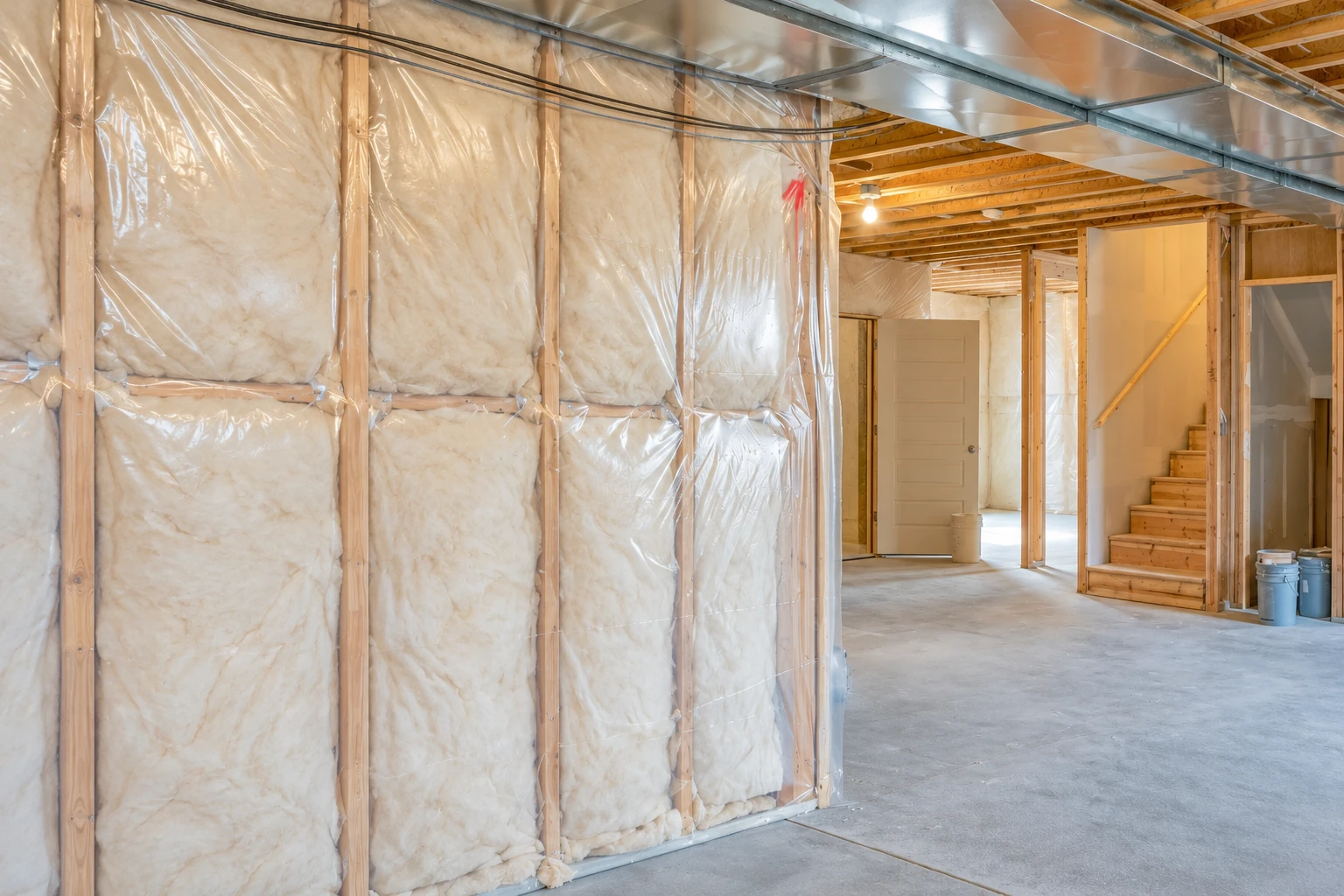
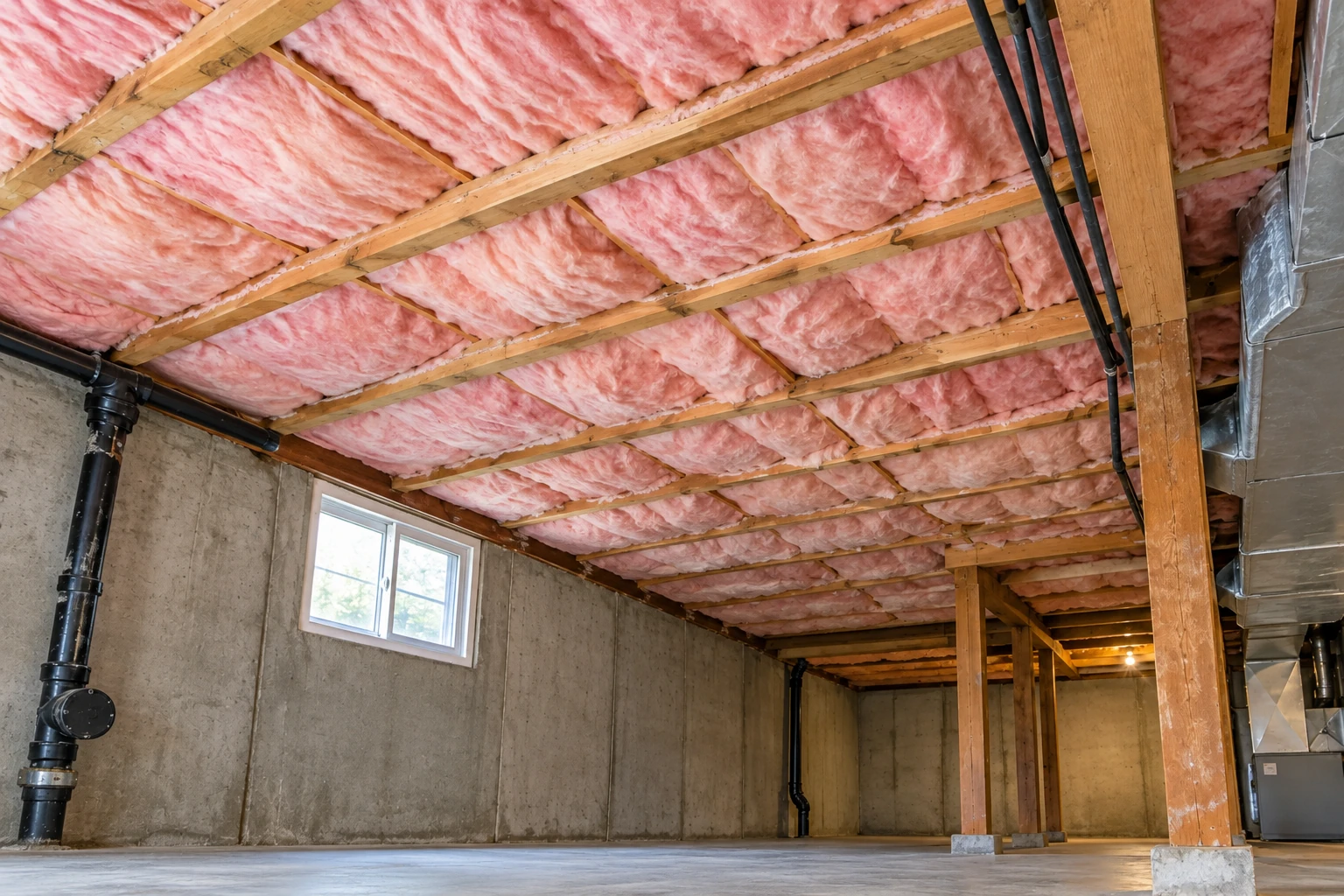
Fiberglass that's slumping, stained or draped loose on the wall has usually taken on water at some point. It isn't doing much for you now, and it has to come out before you can finish the room.
A power bill that won't settle
Bare or poorly covered basement walls let the house trade heat with the ground and the outside air all year. You pay for that every month until the walls get covered right.
Foam we use on basement walls
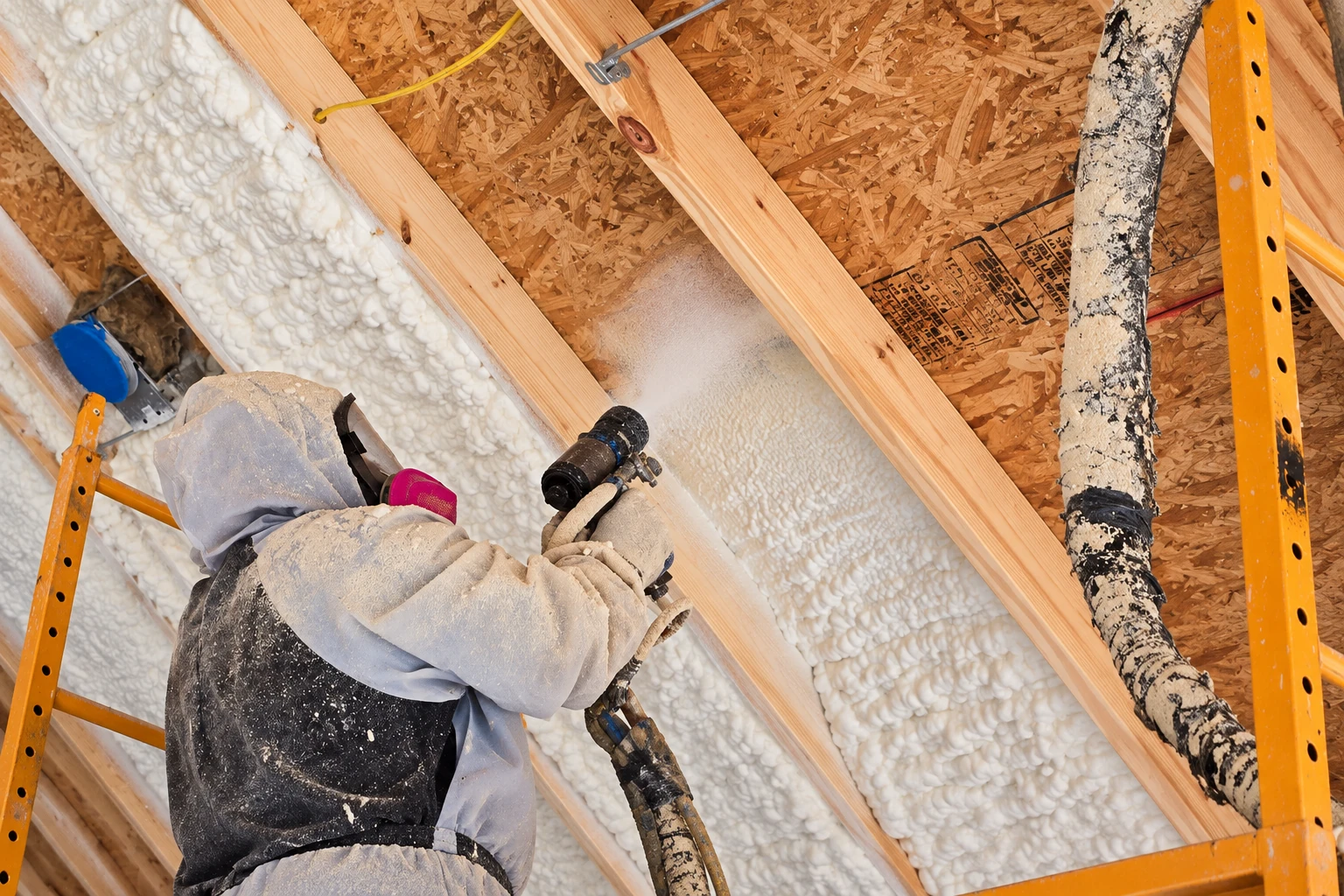
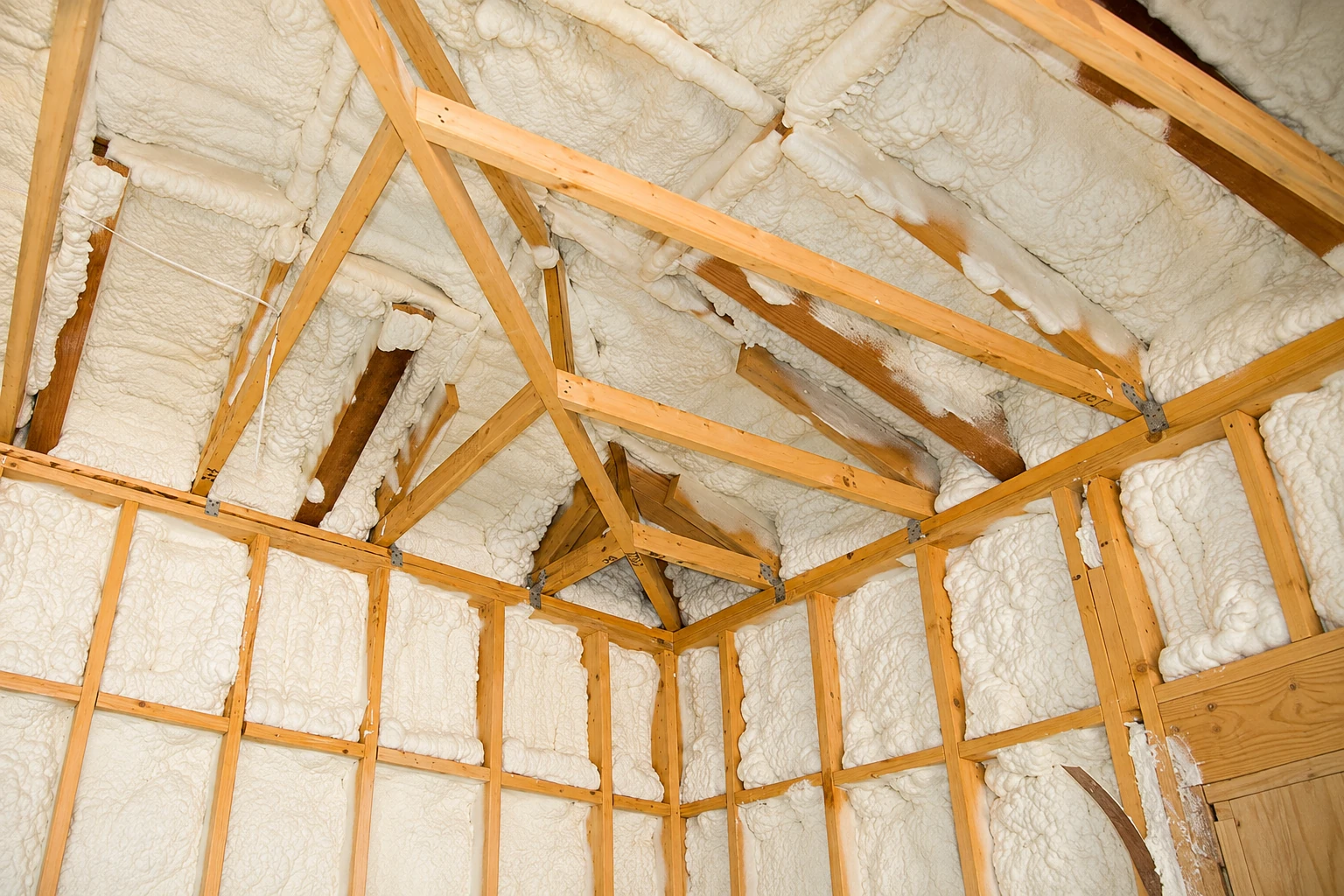
Closed-cell foam insulation
If any part of your basement wall has ever been damp, this dense foam keeps moisture from getting into the insulation itself.
Open-cell foam insulation
On a wall that stays dry and where budget matters more, this lighter foam can do the job for less money.
How we do basement insulation
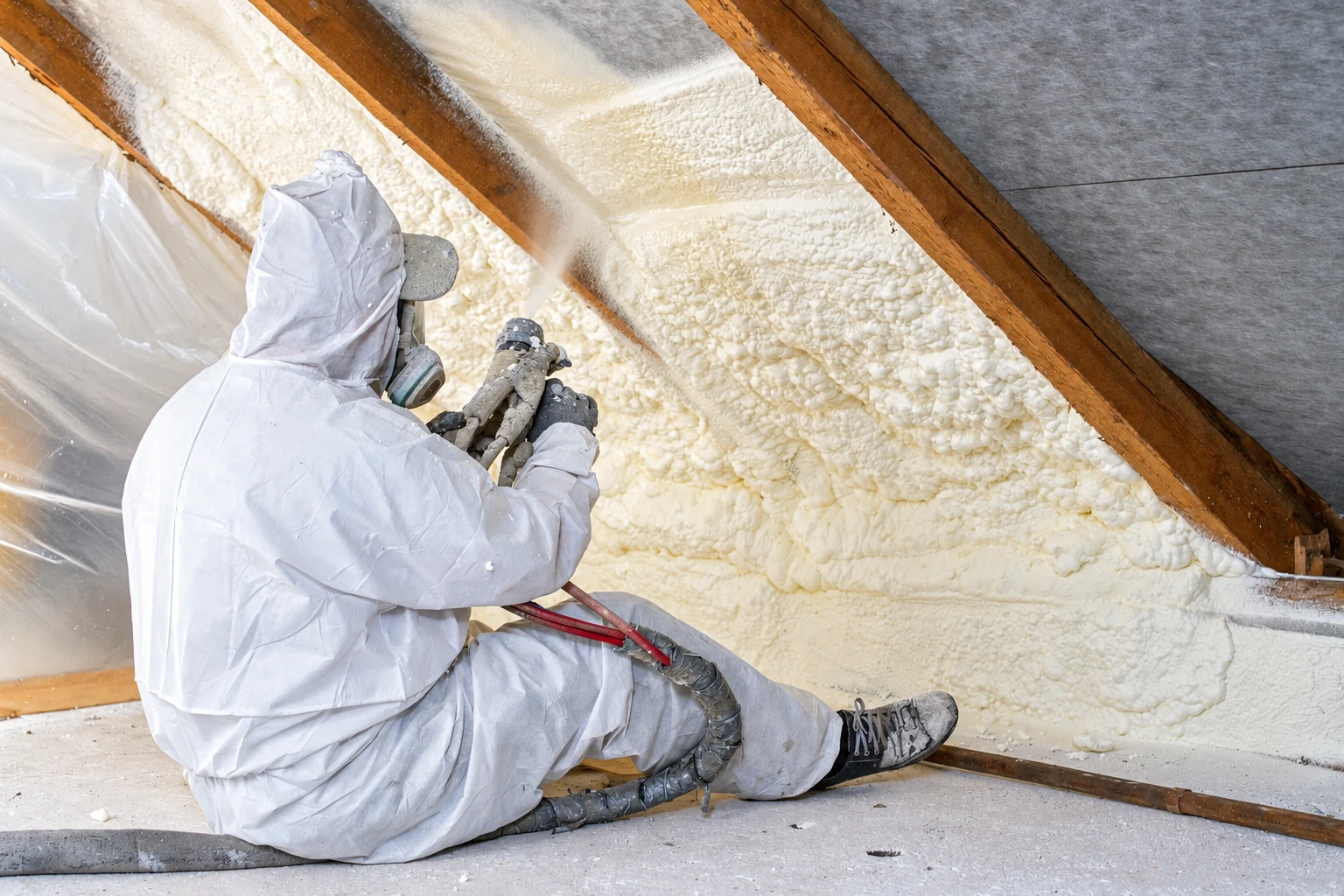
With a basement, water is the first question, and any water coming through a wall gets fixed before insulation goes on it, because nothing we put there works on a wet wall. Midland summers run hot and long freezes are rare, so the trouble I find down there is usually damp, not cold, and a shallow water table limits basements on 2% of mapped land inside city limits, so if your house sits on that ground I look harder at the walls. I also check gas appliances, old wiring and any old insulation before we seal anything, because a tighter basement can trap things like carbon monoxide or radon, and sometimes the right fix includes a fan. Then our crew closes up the openings in the wall and puts the insulation on, and on those walls we lean toward foam over batts because foam won't soak up moisture.
On a wall that's been damp, I'll usually point you to closed-cell foam insulation, the dense kind that blocks moisture, even though it costs more, because a basement wall is the last place you want to gamble on water. If your wall stays dry, open-cell foam insulation is a lighter, lower-cost foam that can make sense, and I'll tell you straight which one your walls need.
Closed-cell spray foam
This suits a basement where the walls have been damp or you want the tightest seal you can get. It costs the most, and it's the one I'd pick for a wall with any history of water.
Open-cell spray foam
This suits a dry basement where keeping the cost down matters. It goes on thicker than closed-cell to do the same job against moisture, so it isn't my pick for a wall that's ever been wet.
Rigid foam board
Board suits a plain, open wall you don't plan to run much wiring or plumbing through, because it makes one solid layer heat can't slip around but gets in the way of utilities. It has to be stuck to the wall with no air gap behind it, or damp air collects back there.
Get a written estimate for your basement walls
We reply within 1 business day to set a time, and I come out for a free in-person estimate with no pressure to book. Calling (432) 218-4671 works too.
Call (432) 218-4671Service areas
Why Midland homeowners call DraftWise Midland Insulation Solutions for basement insulation
The owner prices your job
I'm the one who looks at your walls and writes the estimate, and I check our installers' work before we call it finished. You deal with the person who priced the job, so nothing gets sold that your house doesn't need.
In business since 2013
We opened in 2013 and we're best known for sealing the leaks before we add anything on top. That habit matters even more in a basement, where a missed gap or a wet wall undoes the whole job.
Licensed and fully insured
We're licensed and fully insured. You're not taking on the risk of an uninsured crew working in your house.
Permits handled with the city
The City of Midland requires a residential building permit for work on its list, which names new construction, additions, remodeling, repairs and detached accessory buildings, not basement insulation, so ask the city's building permits office if you're unsure about yours. If your job calls for a permit, we pull it as your contractor, handle the paperwork and wait until it's issued before we start.
If you don't know whether your walls are dry, that's the first thing I'll find out. Set up a visit and we'll start there.
What happens after you call about your basement?
Call or send the form
Call or send the form with a little about the basement, and we'll set a time for me to come look. Tell us about any water you've seen, since that shapes the whole visit.
I look the basement over
I come out myself, check the walls for water and look at gas appliances, wiring and any old insulation before I suggest anything. You get a written estimate that says what needs fixing first, which insulation I'd use and what it costs.
Water first, then insulation
Once you say go, any water coming through the wall gets dealt with before anything else. Then our installers close up the openings and put the insulation on the walls.
I check it before we finish
I go over the work myself before we call it done. Anything thin or missed gets caught then, not after you've finished the room.
Common questions
What is the best insulation for a basement wall that gets damp?
Closed-cell spray foam gives the best moisture control of the insulations that go on the inside of a basement wall, and it works as a strong air barrier too. Open-cell foam has to go on thicker to give the same protection against moisture, so on a damp wall I'll usually steer you to closed-cell.
Can I use fiberglass batts on my basement walls?
You can, but fiberglass or cellulose against a basement wall can soak up a lot of moisture and stay damp. Plastic sheeting over it makes that worse by trapping the moisture in the wall, and draped blankets are cheap and easy but carry the same risk and have to come out before you finish the room.
How do I get my basement ready for insulation?
Stop any water coming through the wall first, and send water from things like downspouts away from the foundation. Then the gaps and openings in the foundation wall get air sealed, closed up so air can't move through them, and only after that does insulation go on.
Who is allowed to do basement insulation work in Midland, TX?
The city says most construction projects in Midland need a licensed and bonded contractor who's registered with the city. A contractor's bond has to be approved by the City Attorney before the city issues any permits, so ask whoever you hire whether they're registered before you sign.
How much does it cost to insulate a basement in Midland?
The price comes down to how much wall there is, which insulation it takes and whether water or old insulation has to be dealt with first. Closed-cell foam costs more than open-cell, and a wall that needs a water fix adds to the job before any insulation goes on, so I'll give you your number in writing after I've seen the basement.
Does spray foam in a basement have to be covered?
Yes, spray foam has to be covered with ignition-barrier paint or drywall, and continuous foam board needs covering too, except for some foil-faced products. Plan for that cover as part of the job, especially if you're finishing the room anyway.
Get your basement walls checked for water
Have the basement's size, the wall type and any signs of water ready when you call (432) 218-4671 or send the form, and the visit goes faster.